CaMP-DOC v1. 0: A process-based model for quantifying dissolved organic carbon fluxes in wetland-dominated catchments
Abstract
Dissolved organic carbon (DOC) is a key, yet poorly reported component of the terrestrial carbon cycle and an important link between land and aquatic ecosystems. Despite its significance, DOC export from wetlands remains largely excluded from national carbon accounting frameworks, including Canada’s, due to substantial uncertainty in regional flux estimates. Here we present CaMP-DOC, a process-based model that simulates DOC dynamics in peatland-dominated ecosystems by explicitly coupling hydrological drivers with soil biogeochemical processes. CaMP-DOC extends the Canadian Model for Peatlands (CaMP) by incorporating a DOC module that represents soil DOC production, consumption, leaching, and aquatic losses regulated by water residence time. The model was evaluated using a well-characterized catchment (Tributary 5A) within the Attawapiskat watershed of the Hudson Bay Lowlands�…
abstract: “Dissolved organic carbon (DOC) is a key, yet poorly reported component of the terrestrial carbon cycle and an important link between land and aquatic ecosystems. Despite its significance, DOC export from wetlands remains largely excluded from national carbon accounting frameworks, including Canada’s, due to substantial uncertainty in regional flux estimates. Here we present CaMP-DOC, a process-based model that simulates DOC dynamics in peatland-dominated ecosystems by explicitly coupling hydrological drivers with soil biogeochemical processes. CaMP-DOC extends the Canadian Model for Peatlands (CaMP) by incorporating a DOC module that represents soil DOC production, consumption, leaching, and aquatic losses regulated by water residence time. The model was evaluated using a well-characterized catchment (Tributary 5A) within the Attawapiskat watershed of the Hudson Bay Lowlands�…” authors:
- Hongxing He
- E_Emilson
- Oleksandra Hararuk
- Kelly Ann Bona
- Dan K Thompson
- Kara Webster featured: false projects: [] publication: ‘Canadian Journal of Forest Research’ publication_short: '' publication_types:
- “2” date: ‘2026-09-23T00:00:00Z’ publishDate: ‘2026-10-20’ title: ‘CaMP-DOC v1. 0: A process-based model for quantifying dissolved organic carbon fluxes in wetland-dominated catchments’ url_pdf: “https://cdnsciencepub.com/doi/pdf/10.1139/cjfr-2026-0150" url_source: “https://cdnsciencepub.com/doi/abs/10.1139/cjfr-2026-0150"
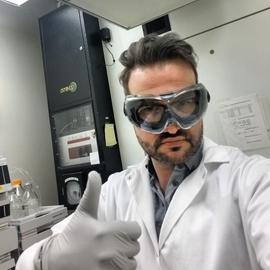
Erik J.S. Emilson
Research Scientist, Watershed Ecology Team Lead, Associate Editor CJFR
I am interested in how forests support freshwater ecosystem services. My research combines microbial and molecular approaches to undertand how forest productivity and disturbances affect ecosystem functions in headwater streams and lakes.