Measuring biodiversity with DNA metabarcoding: applications in forest management.
Abstract
Biodiversity data play a central role in the iterative process of adaptive forest management, offering insights into the sustainability of forest practices. Traditional indicators of forest integrity have relied heavily on above ground taxa, primarily vertebrates and plants, which operate across regional to stand level scales. In contrast, below ground and freshwater biomes—including soil communities, aquatic microbiomes, and deadwood associated taxa—remain comparatively understudied. Recent advances in molecular methods, particularly metabarcoding, have transformed our ability to characterize this biodiversity enabling rapid, comprehensive assessments of community composition from environmental DNA (eDNA) in substrates such as soil, water, and wood. These tools provide opportunities to evaluate how forest management influences ecological processes and to support improved sustainable forest�…
abstract: “Biodiversity data play a central role in the iterative process of adaptive forest management, offering insights into the sustainability of forest practices. Traditional indicators of forest integrity have relied heavily on above ground taxa, primarily vertebrates and plants, which operate across regional to stand level scales. In contrast, below ground and freshwater biomes—including soil communities, aquatic microbiomes, and deadwood associated taxa—remain comparatively understudied. Recent advances in molecular methods, particularly metabarcoding, have transformed our ability to characterize this biodiversity enabling rapid, comprehensive assessments of community composition from environmental DNA (eDNA) in substrates such as soil, water, and wood. These tools provide opportunities to evaluate how forest management influences ecological processes and to support improved sustainable forest�…” authors:
- L_Venier
- Teresita M Porter
- E_Smenderovac
- Dave M Morris
- C_Emilson
- E_Emilson
- E�in O’Hara
- Byron Smiley featured: false projects: [] publication: ‘Canadian Journal of Forest Research’ publication_short: '' publication_types:
- “2” date: ‘2026-08-06T00:00:00Z’ publishDate: ‘2026-09-08’ title: ‘Measuring biodiversity with DNA metabarcoding: applications in forest management.’ url_pdf: “https://cdnsciencepub.com/doi/pdf/10.1139/cjfr-2026-0076" url_source: “https://cdnsciencepub.com/doi/abs/10.1139/cjfr-2026-0076"
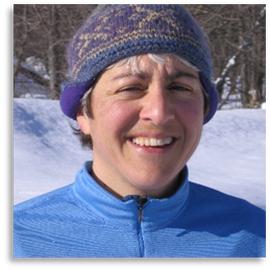
Lisa Venier
Research Scientist
I research biota (large and small) as indicators of sustaniable forest management
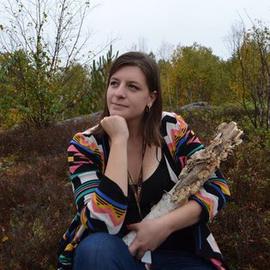
Emily Smenderovac
Watershed Ecologist
Trained in microbial ecology and bioinformatic analysis of community datasets.
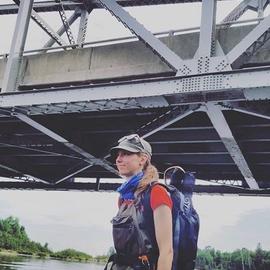
Caroline Emilson
Forest Ecologist and Bioinformatician
Ecologist specializing in environmental genomics and microbial ecology.

Erik J.S. Emilson
Research Scientist, Watershed Ecology Team Lead, Associate Editor CJFR
I am interested in how forests support freshwater ecosystem services. My research combines microbial and molecular approaches to undertand how forest productivity and disturbances affect ecosystem functions in headwater streams and lakes.