Soil communities following harvest have different early successional dynamics compared with post-wildfire patterns
Abstract
Stand-replacing wildfire is the primary natural disturbance in jack pine-dominated boreal forests; but clearcut harvest also emulates this natural renewal process. We used a 60-year clearcut harvest chronosequence to assess whether soil communities became more similar to those in wildfire-origin stands over time. We assessed convergence across disturbance types at each stand development stage and recovery compared to the wildfire mature stand development stage (~ 85 years). To evaluate cumulative effects, we also assessed a 20-year salvage harvest chronosequence where wildfire was followed by salvage logging of fire-killed trees. Beta diversity analyses showed different recovery times among soil taxa. Following clearcut harvest, bacteria converged to wildfire reference conditions more quickly, followed by arthropods, whereas fungi did not converge within the study period. Soil communities in salvage …
abstract: “Stand-replacing wildfire is the primary natural disturbance in jack pine-dominated boreal forests; but clearcut harvest also emulates this natural renewal process. We used a 60-year clearcut harvest chronosequence to assess whether soil communities became more similar to those in wildfire-origin stands over time. We assessed convergence across disturbance types at each stand development stage and recovery compared to the wildfire mature stand development stage (~ 85 years). To evaluate cumulative effects, we also assessed a 20-year salvage harvest chronosequence where wildfire was followed by salvage logging of fire-killed trees. Beta diversity analyses showed different recovery times among soil taxa. Following clearcut harvest, bacteria converged to wildfire reference conditions more quickly, followed by arthropods, whereas fungi did not converge within the study period. Soil communities in salvage …” authors:
- Teresita M Porter
- Dave M Morris
- E_Smenderovac
- E_Emilson
- L_Venier featured: false projects: [] publication: ‘Scientific Reports’ publication_short: '' publication_types:
- “2” date: ‘2025-12-04T00:00:00Z’ publishDate: ‘2026-01-02’ title: ‘Soil communities following harvest have different early successional dynamics compared with post-wildfire patterns’ url_pdf: “https://www.nature.com/articles/s41598-025-16373-y" url_source: “https://www.nature.com/articles/s41598-025-16373-y"
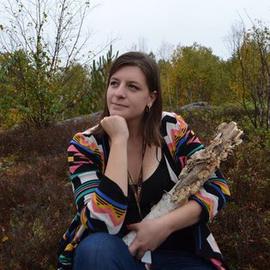
Emily Smenderovac
Watershed Ecologist
Trained in microbial ecology and bioinformatic analysis of community datasets.

Erik J.S. Emilson
Research Scientist, Watershed Ecology Team Lead, Associate Editor CJFR
I am interested in how forests support freshwater ecosystem services. My research combines microbial and molecular approaches to undertand how forest productivity and disturbances affect ecosystem functions in headwater streams and lakes.
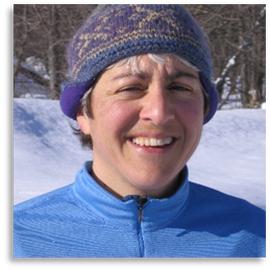
Lisa Venier
Research Scientist
I research biota (large and small) as indicators of sustaniable forest management